About

Making Japanese care understandable for families overseas

Japan Care Concierge helps Japanese people living overseas and people planning a return to Japan. We work with their families on the care, medical and housing decisions waiting there.

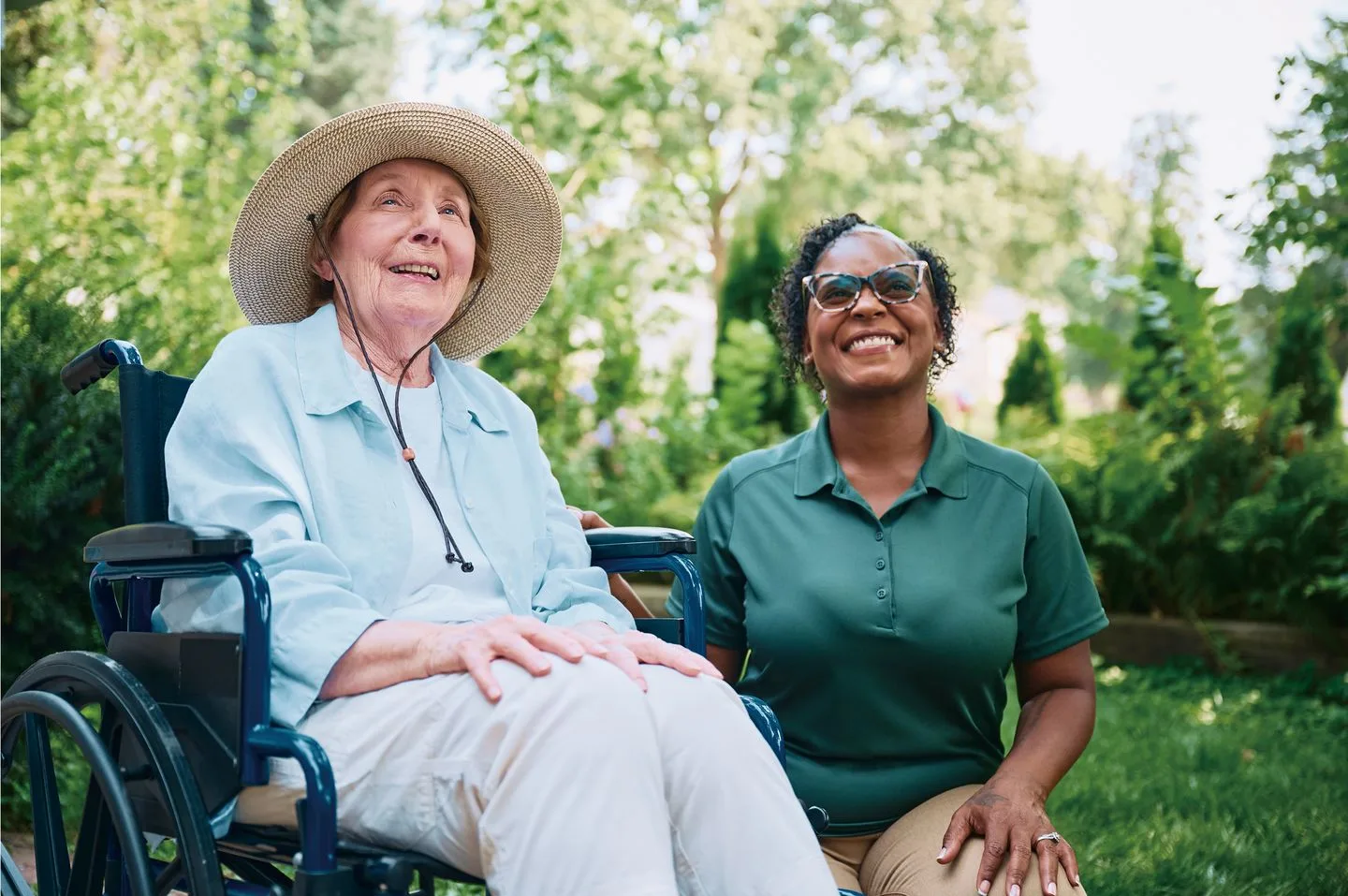
A Home Instead care professional supporting an older adult using a wheelchairHome Instead Japan

What this site does

Japan's care system turns on one municipal decision. You apply, an assessor visits the home, and a review board sets a care level. The law allows 30 days for that; MHLW's FY2024 nationwide average from application to the second-stage decision was 39.9 days.

From overseas the hard part is not the concept but the sequence. Which office to call first, what paperwork it wants, and what has to be settled before anything else can start.

Japan Care Concierge is the information and consultation service for that stretch. Our articles explain how the procedures work. In a consultation we work out what your own case needs next, and the first 30 minutes are free.
Topics we cover

01

Care insurance and certification

How to apply, what the 74-item home assessment asks, and why 30 days usually slips.

02

Home care and daily-life support

What the monthly unit ceiling buys at each level, and what you pay privately on top.

03

Facility search and housing

Special and paid nursing homes, group homes and senior housing, on cost and admission rules.

04

Overseas families and return planning

Insurance enrolment after a return, and who signs when nobody is in the country.

How we create information

Every article is checked against primary sources. That means notifications and statistics from the Ministry of Health, Labour and Welfare, alongside municipal pages and long-term care insurance materials. Where the official explanation is hard to apply to an actual family decision, we add context from care consultation work.

When we find information that is outdated or incorrect, we review and update it. Our standards are summarized in the editorial policy.

1Check primary information

Every figure is traced to an MHLW notification or a municipal page before we publish it.

2Translate it into family decisions

We turn it into steps a family overseas can actually take.

3Update when needed

Fee tables run in three-year cycles; when one turns over we revise the affected pages.

Editorial advisers

We edit our articles and information using the practical knowledge of the two professionals below, who work in Japan's care system and with international care staff. A reviewer is named on an individual article only once that person has signed off on it.

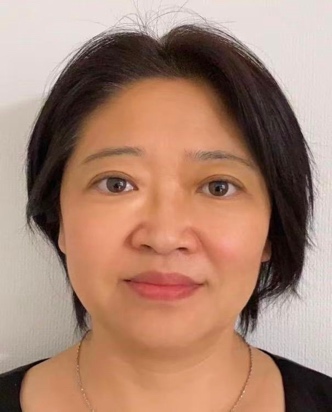
Portrait of Yen Lin

Yen Lin林 燕

Special Assignment Director, International Division, Social Welfare Corporation Shinkou Fukushikai / Vice Chair, Japan-China Long-Term Care Association

After about four years as director of a dementia group home, she has led Shinkou Fukushikai's international division since 2019, focusing on the recruitment, training, and retention of international care workers. Her work spans partnerships with educational institutions in Japan and abroad, care-practicum program design and operation, Certified Care Worker national-exam preparation, Japanese-language education, and hosting overseas study and training visits.

Credentials

  • M.A. in Economics, Kanagawa University
  • Certified Social Worker (Shakai Fukushi-shi)
  • Certified Care Worker (Kaigo Fukushi-shi)
  • Care Manager (Kaigo Shien Senmon-in)
  • Completed Dementia Care Practitioner Training
  • Completed Dementia-Care Service Manager Training
  • Completed Instructor Training for Practical Care-Worker Training

Languages: Chinese, Japanese

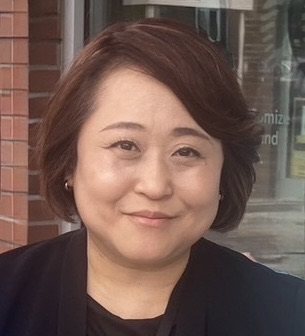
Portrait of Seiko Adachi

Seiko Adachi足立 聖子

Care Manager and Certified Welfare Facility Manager (former Chair of a social welfare corporation)

She began as a life-support counselor at a fee-based nursing home in 1997, then served six years as director of a special nursing home and four years as head of a municipal community support center, and from 2010 to 2020 as chair of a social welfare corporation. Since 2020 she has run a private (non-insurance) home-care business.

Credentials

  • B.A. in Gerontology, Department of Sociology, University of Wisconsin
  • Social Welfare Officer (Shakai Fukushi Shuji)
  • Care Manager (Kaigo Shien Senmon-in)
  • Completed Chief Care Manager Training
  • Completed Dementia-Care Service Founder Training
  • Certified Welfare Facility Manager (Fukushi Shisetsu-shi)
  • RIM-Certified Risk Manager

Languages: Japanese, English

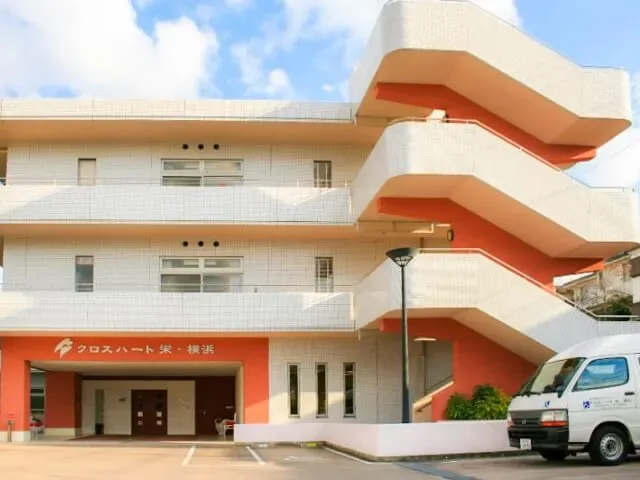
Cross Heart Sakae Yokohama care facility exterior
Cross Heart care services, run by Social Welfare Corporation Shinkou Fukushikai in our group.

Operator

Japan Care Concierge is run by Shinkokai, Inc. The company was founded in 1980 and has run care homes and home-help services since then. Social Welfare Corporation Shinkou Fukushikai, established in 1999 in the same group, provides elderly care facilities and services under the Cross Heart name.

Since 2019 Shinkokai, Inc. has also run Home Instead Japan, an in-home care service centered on the Yokohama and Kawasaki area. In November 2025 it also opened a base in Fukasawa, Setagaya, Tokyo.

How Home Instead care works

The FAQ on the Home Instead Japan website describes these arrangements:

  • Before care starts, a care consultant with a qualification such as certified care worker or care manager visits the home for a free consultation
  • Caregivers start work only after a criminal record check, an interview and training
  • Caregivers wear a name badge and carry ID, and the care consultant comes along on the first visit to introduce them
  • As a basic rule, caregivers are the same gender as the client
  • If the client's condition changes, the consultant visits again to revise the plan and explains any extra cost beforehand
  • Caregivers do not perform medical procedures such as drips or injections, and suggest working with a visiting nurse when those are needed
Cross Heart logoHome Instead Japan logo

Working with public services

The community support center, the municipality and the assigned care manager are still your primary resources, and all three cost you nothing. Our role is to find you the right desk and the right question before you get there.

What we can do

  • Explain how the rules apply to one specific case
  • Put the options in a comparison a family can decide from
  • Talk to offices and providers in Japanese
  • Report back to the family in English
  • Guarantor support and hands-on care, arranged through our group

What we cannot do

  • Medical care or diagnosis
  • Emergency response in place of 119
  • Legal, tax or insurance advice
  • Any guarantee of facility admission

Official information

Shinkokai, Inc. was established in August 1980. Its head office is on the 44th floor of Yokohama Landmark Tower in Minatomirai, Yokohama. Its company profile is published on the Home Instead Japan website. Shinkou Fukushikai publishes its corporate profile, history and service fields on its own website.

Frequently asked questions

What is Japan Care Concierge?

Japan Care Concierge is a media-led care concierge for Japanese people living overseas, returnees and their families. We explain how long-term care insurance and care-need certification work. Then we help organize home care, a facility search, medical visits and daily-life support for one family's case.

Who operates it?

It is run by Shinkokai, Inc., based in Yokohama Landmark Tower in Yokohama. Founded in 1980, Shinkokai also runs Home Instead Japan's in-home care. Social Welfare Corporation Shinkou Fukushikai, in the same group, provides elderly care facilities and services under the Cross Heart name.

Do you replace city hall or care managers?

No. Your primary resources are still the community support center, the municipality and the assigned care manager, and all three are free to use. We work out what to ask them, and keep family members in different countries reading the same summary.

What can you help with in a consultation?

The first consultation runs 30 minutes and is free. We work out what the situation is and what is urgent, then name the next office or service to contact. We do not provide medical care or diagnosis, give legal, tax or insurance advice, or guarantee facility admission. In an emergency, call 119 first; follow-up contact and paperwork can be handled under a guarantor contract with our group.